We consider the environment the source of our work. Through natural resources the villagers can actually improve their living conditions and their livelihood, since in the rural areas, mostly they live by agriculture and by farm life, for that, it’s crucial that the rurals and the next generations understand the importance of environment conservation and sustainable management of natural and other resources.
This education is made through schools and youth groups since we believe that the education should start with the youngest people.
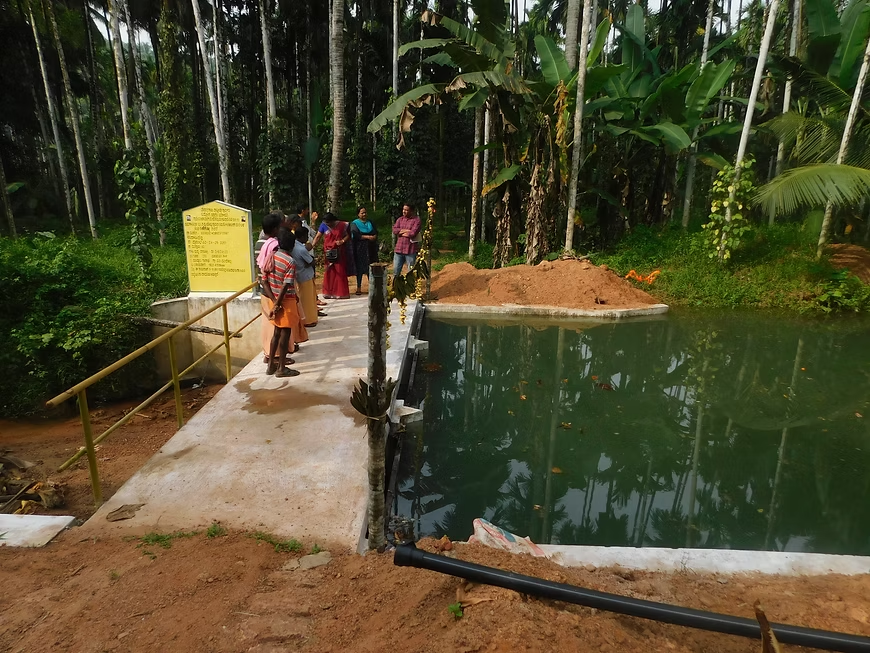
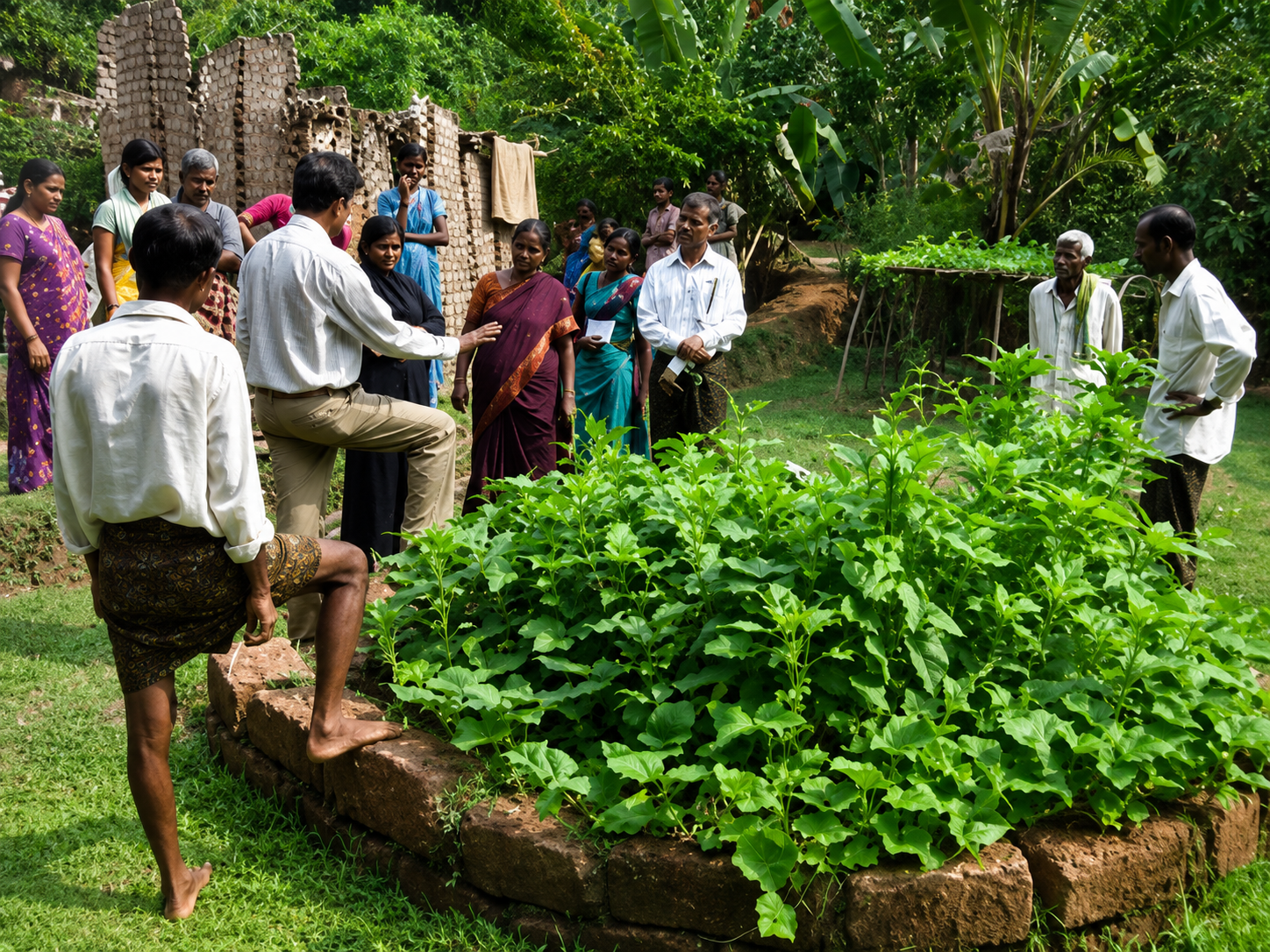
An essential target group is the farmers, since they are the ones who depend directly from the environment and his resources, and that way, they also affect it directly, in a good or bad way. For that, some erosion protection measures on farmers land are organized: Staggered trenching, stone protection walls (Stone bunds), Bund strengthening & vegetative hedges, Plantation forest and fuel wood plants, Planting of Horticulture plants, Gully plugs, Masonry gully plugs and Vented dams.
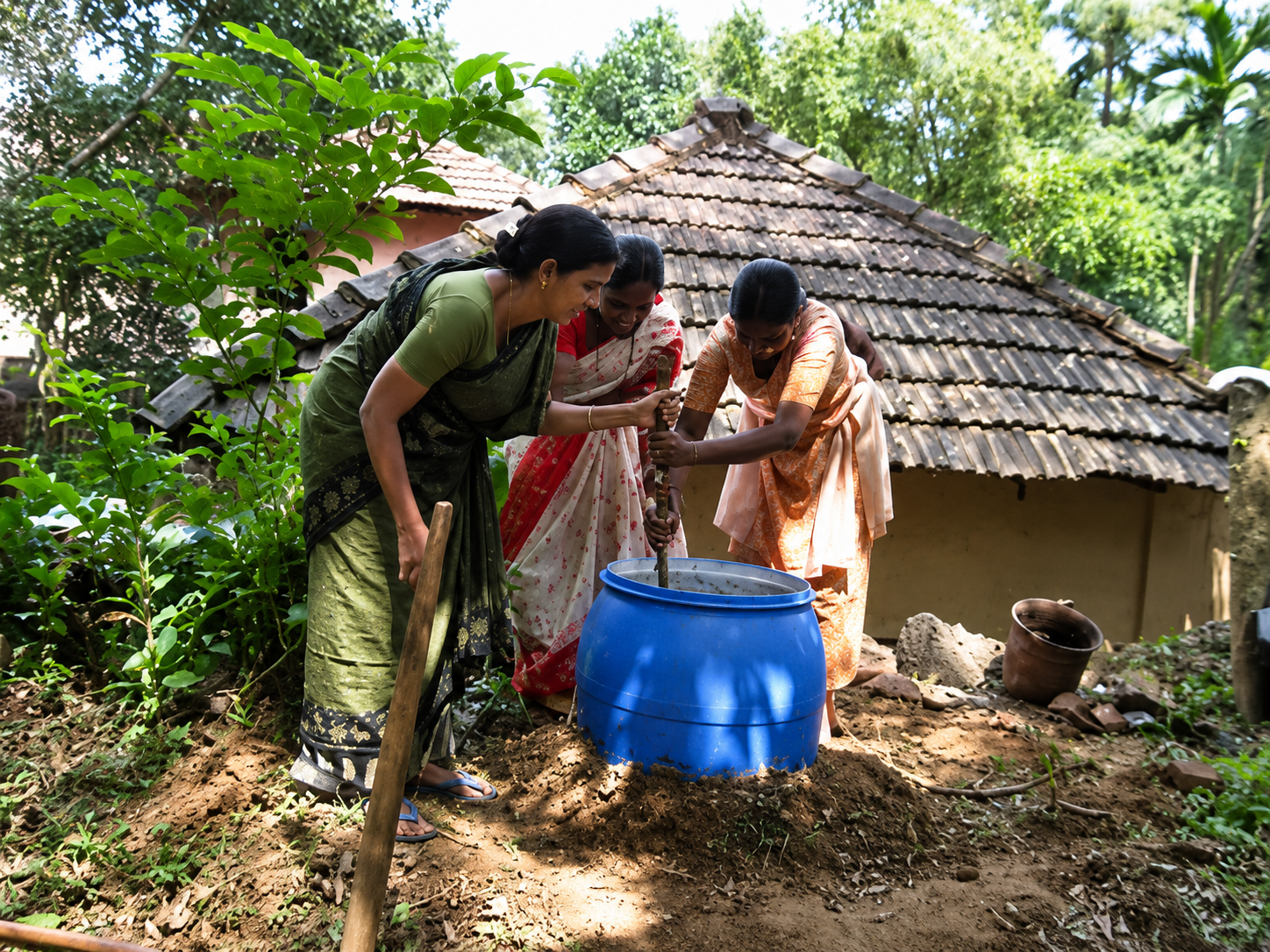
Also Ecological agriculture is thought: Motivation training for farmers, Model units, Initiation of seed bank, Vermy compost, Liquid bio manure, Kitchen garden and other bio pesticides. And some alternative energy source development: Bio gas units and Smokeless chullas.
The SHGs (Self-help groups) are another critical target, since these groups were formed to improve and develop the quality of life of local community in rural areas. In this matter, DISHA are helping these groups to empower themselves, and for that, members receive knowledge about sustainable farming practices and skill development in traditional skills like carpentry, pottery and other ways to use but not to abuse the environment.
Through Environmental education, we intend to develop an institutional framework for the implementation and diffusion of the sustainable practices of the natural resource use for rural livelihood activities.